Outdoor Education
Outdoor education is one of the Four Pillars of Education at Charleston Collegiate School, and it’s a defining element of our student experience. Rooted in hands-on, project-based learning, this pillar cultivates leadership, resilience, and a deep understanding of the natural world.
In outdoor classrooms on campus and throughout the Lowcountry, students engage in the scientific study of ecosystems while developing practical outdoor skills. They learn to assess risk, communicate effectively, collaborate within teams, and navigate real-world challenges with confidence. Experiences are intentionally designed to strengthen both independence and community.
CCS students in all divisions participate in outdoor education. Through it they gain not only knowledge of environmental science and sustainability, but also the character and leadership skills necessary to steward the world around them. They leave as capable leaders who understand their connection to the natural world and their responsibility to protect it.
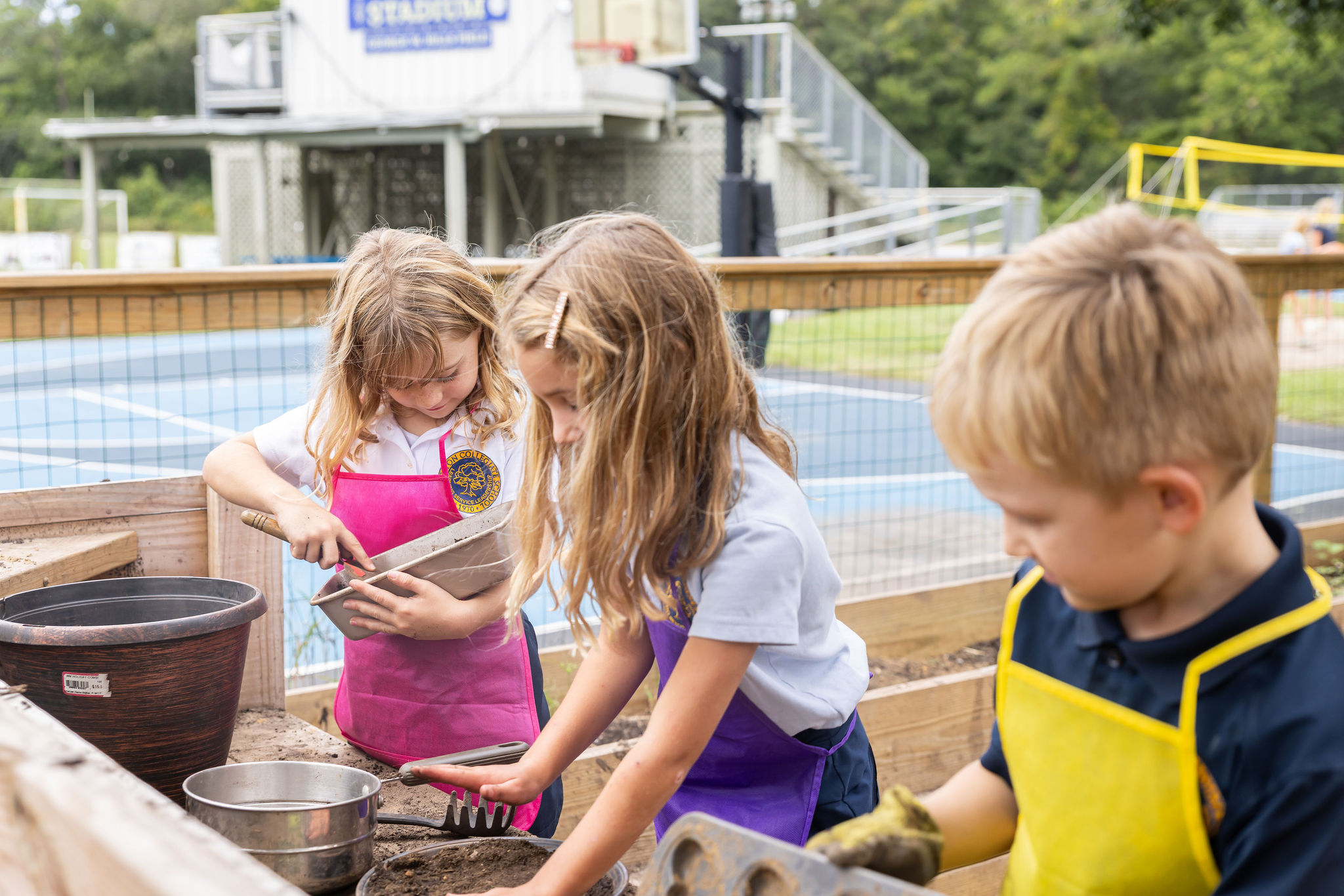
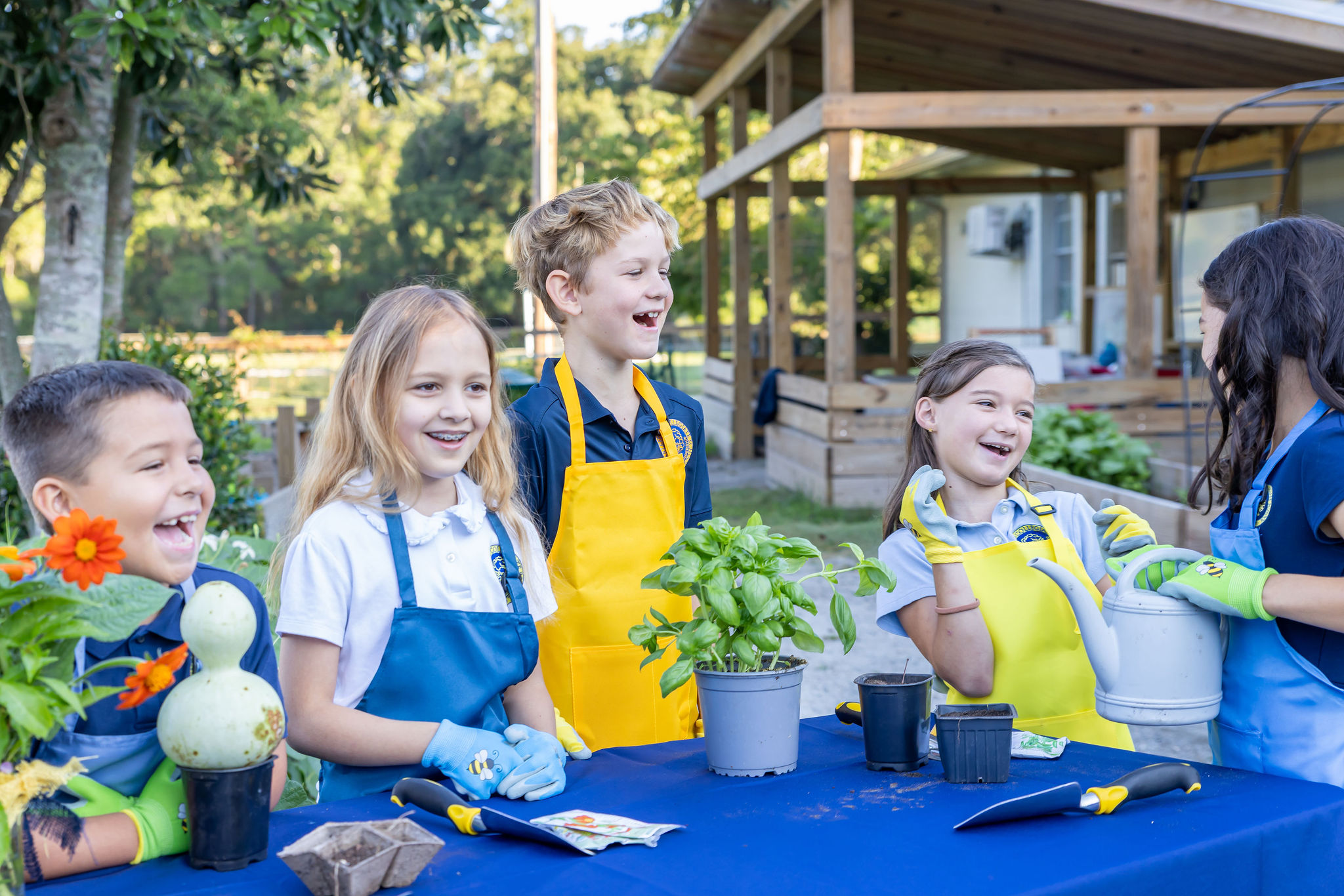
In our 3,000-square foot campus garden and outdoor classrooms, lower school students plant, harvest, compost, care for the CCS chicken coop, and observe ecosystems in action. From tending vegetables and selling produce to foraging for edible plants and experimenting in the mud kitchen, students experience the full cycle of sustainability.
The garden is used as an extension of our classroom, where students can study science, history, art, entrepreneurship, and even Spanish while learning about horticulture, herbs, and vegetables. Through these joyful, immersive experiences, students develop confidence, leadership skills, and a deep respect for the natural world, growing into thoughtful stewards of their environment.
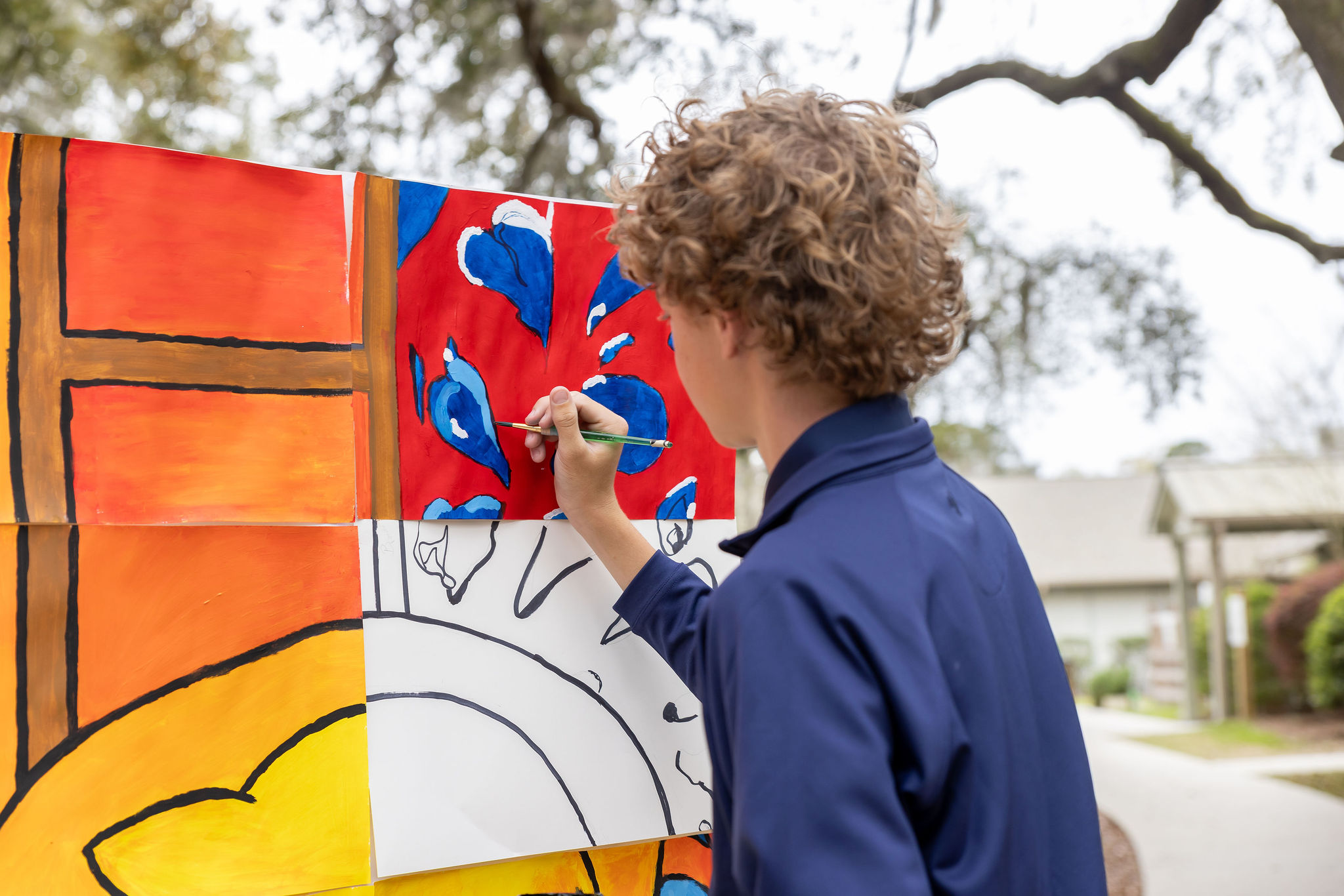
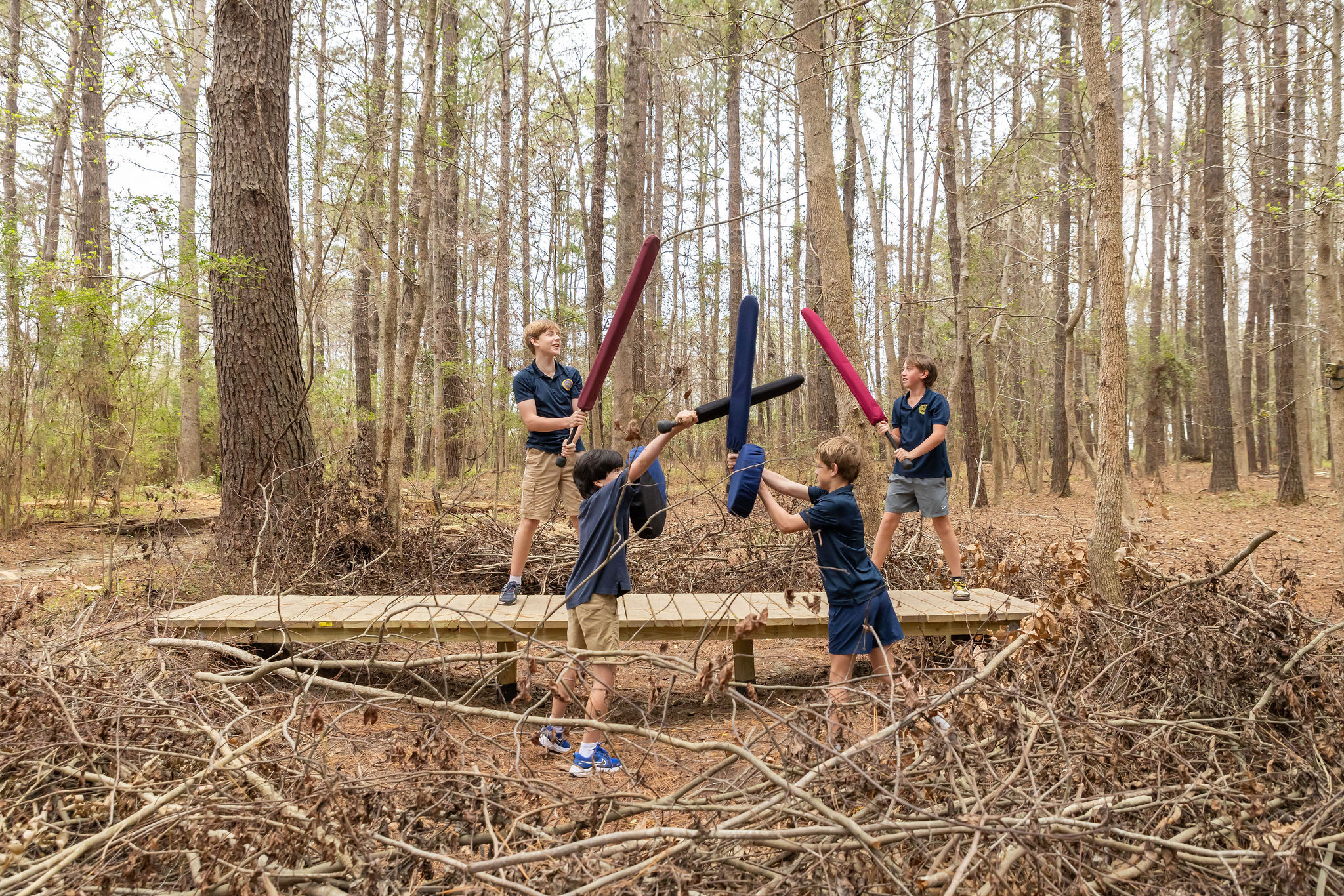
Outdoor education is a core experience for every middle school student at CCS. The grade-specific program emphasizes leadership, teamwork, and sustainability while building confidence in outdoor skills and responsible risk-taking.
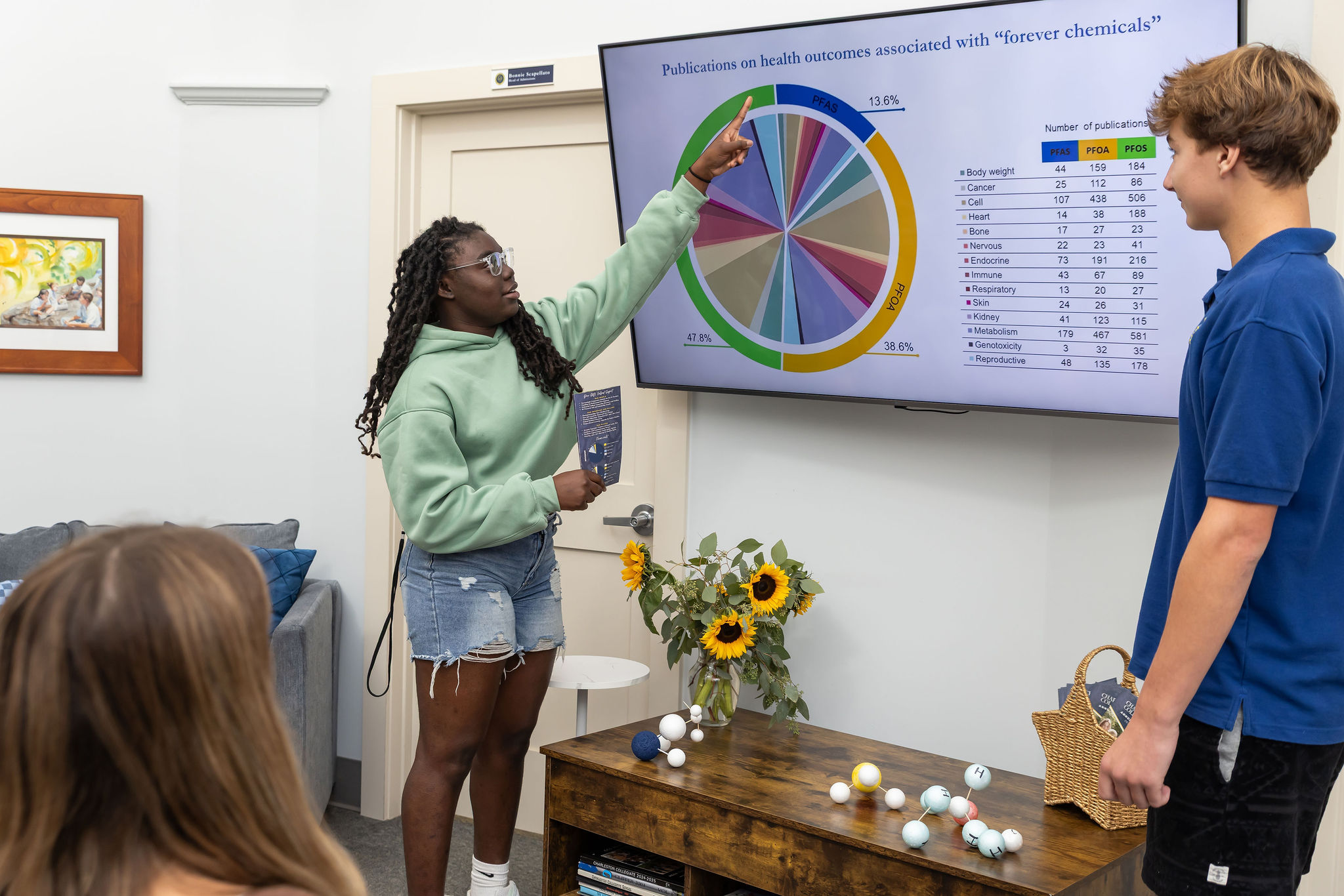
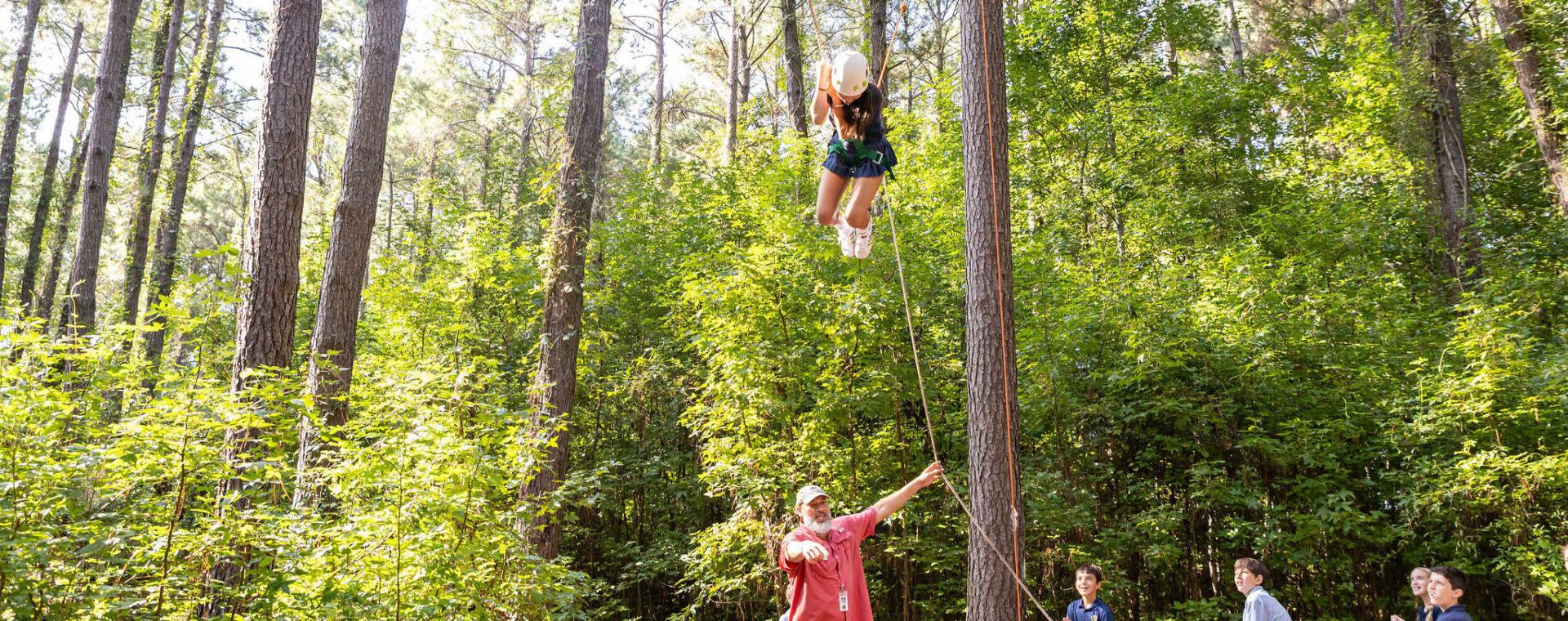
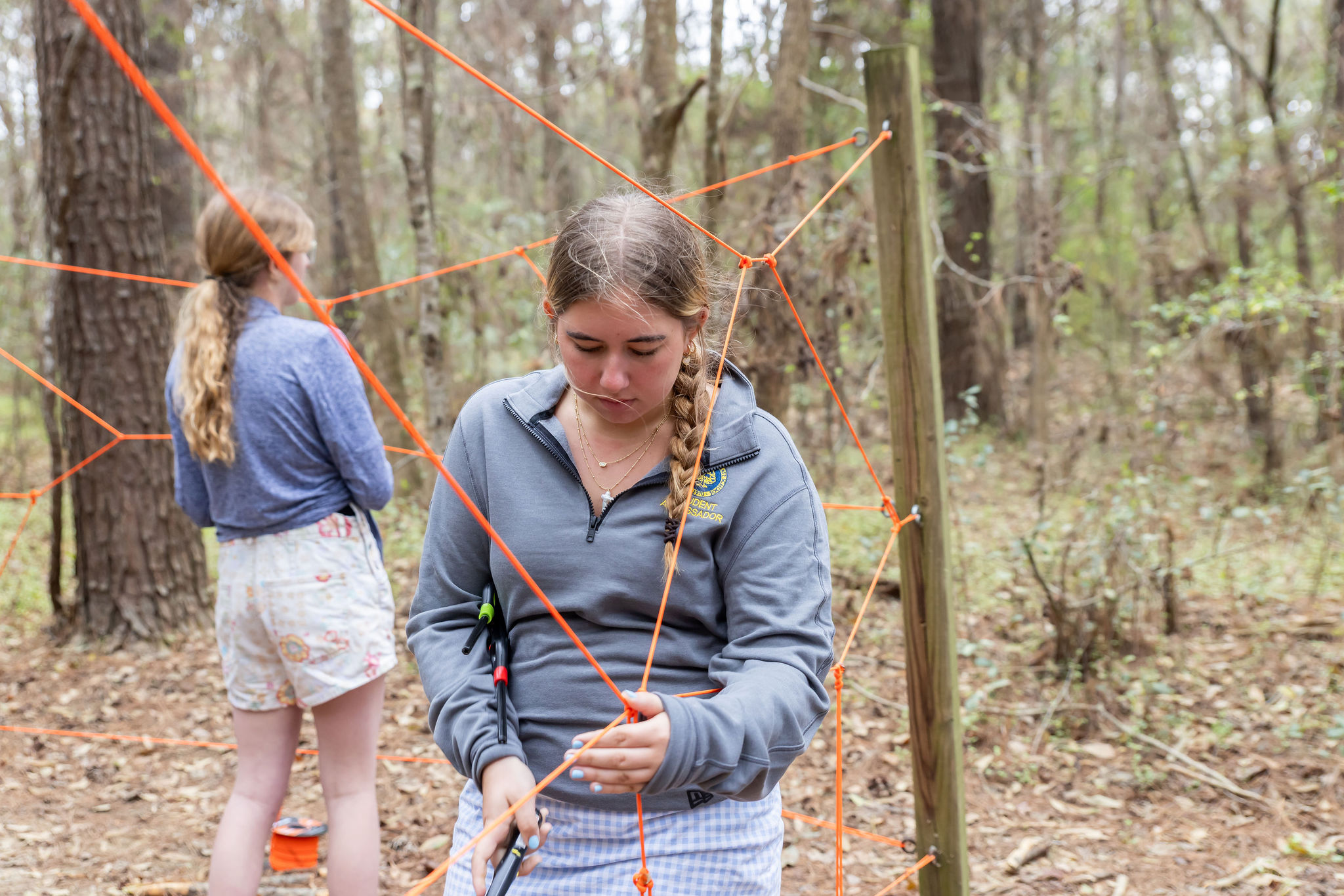
Through challenge course experiences, group initiatives, and environmental study, students strengthen collaboration, communication, and problem-solving abilities. Each year’s curriculum is intentionally designed to meet students where they are developmentally, combining hands-on adventure with guided reflection on leadership, character, and community.
By the end of middle school, students not only understand their impact on the natural world, they understand their impact on one another.
Outdoor Education in upper school deepens leadership, environmental stewardship, and self-reliance through intentionally sequenced coursework.
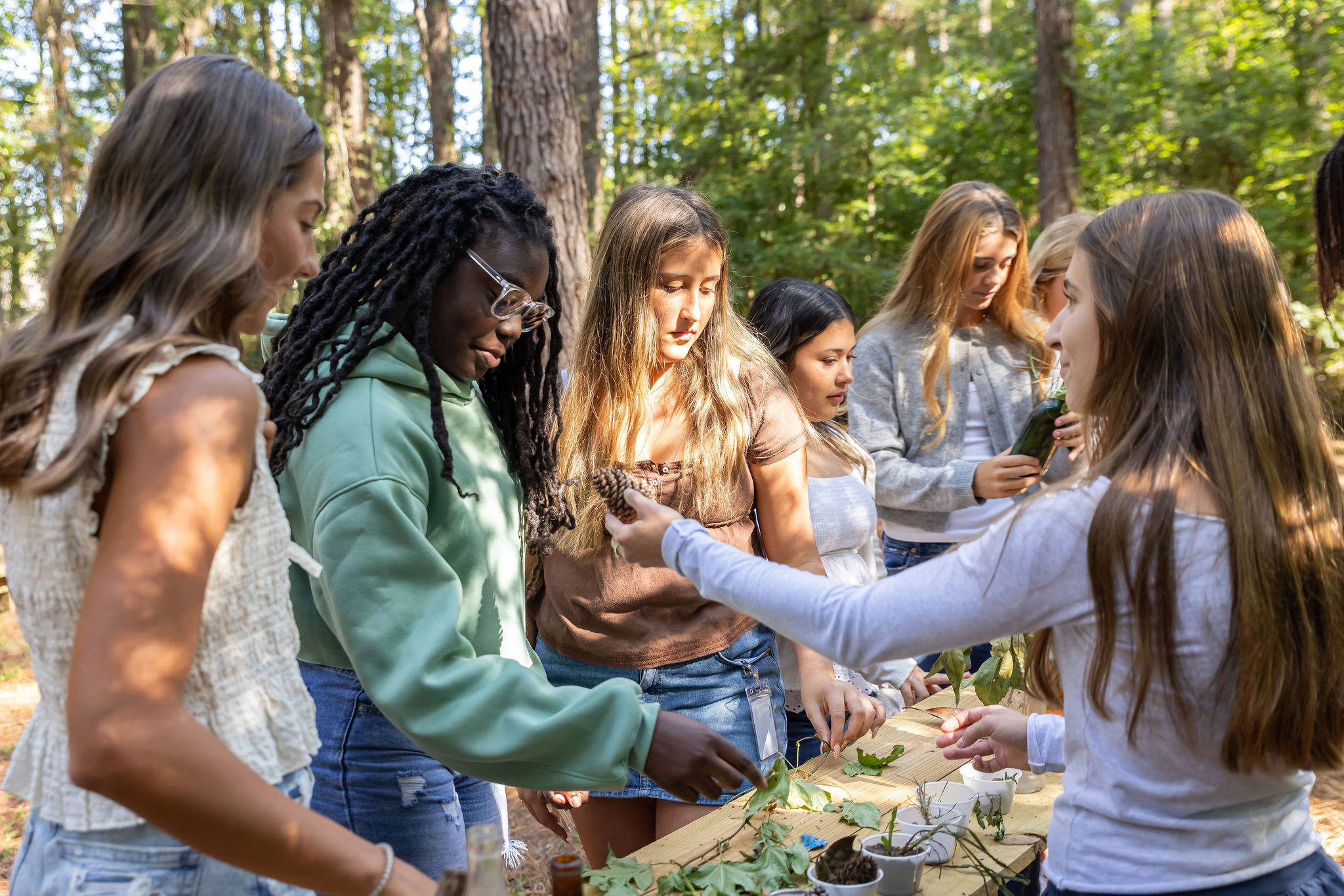
In ninth grade, students focus on leadership development, studying communication, group dynamics, and motivational strategies while designing and teaching outdoor safety lessons. Sophomores transition into wildlife management, exploring biodiversity, sustainability, and on campus ecology through student-driven projects that support local habitats.
In eleventh and twelfth grades, students dive deeper into outdoor education, gaining hands-on experience in curriculum design, trip planning, budgeting, and program leadership. Seniors also complete a wilderness survival course, building advanced skills in orienteering, fire-building, shelter construction, water purification, and resource management.
From leading peers on the challenge course to designing new course elements, upper school students move beyond participation to true leadership, graduating with the confidence and competence to guide others in both natural and professional environments.
More CCS Pillars of Education